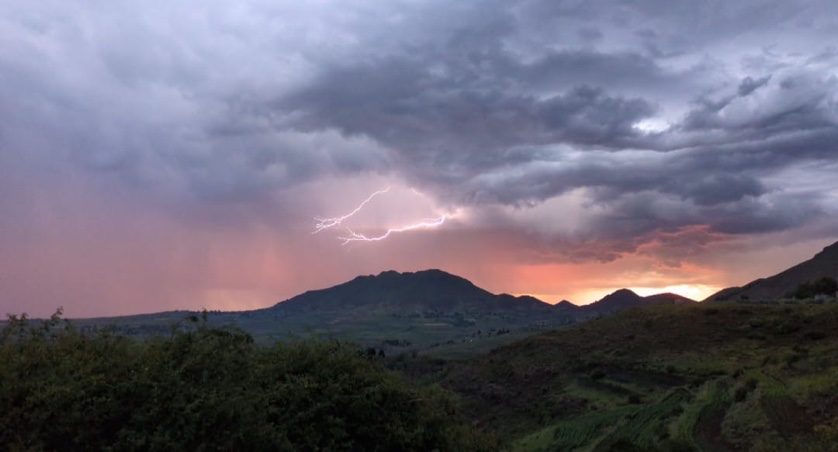
January was one of the most eventful months since I arrived in Lesotho. Many projects prepared over the past months were now showing their first visible results. The development of the garden and the start of the bee project in particular were defining experiences. At the same time, the ongoing rainy season brought new challenges, both for our work and for our living situation.
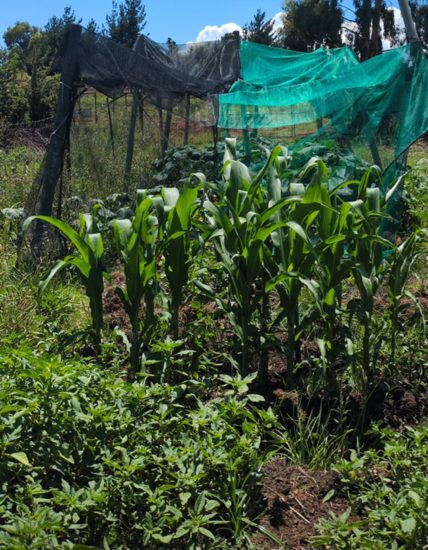
At the beginning of the month I could see the first big successes in the garden. The pumpkin plants were thriving and spreading over large parts of the beds. The maize also grew quickly and had already reached a considerable height. In addition, we were able to harvest the first onions and beetroot.
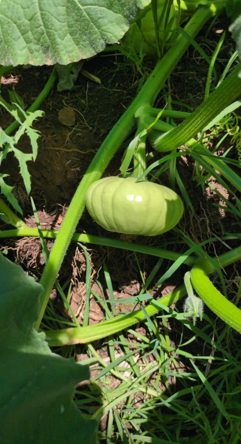
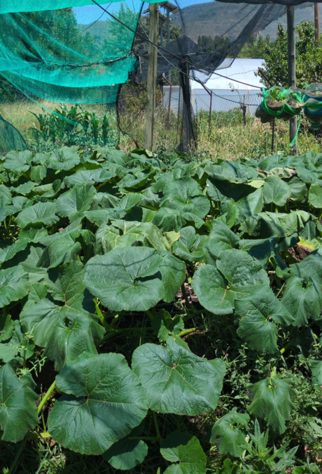
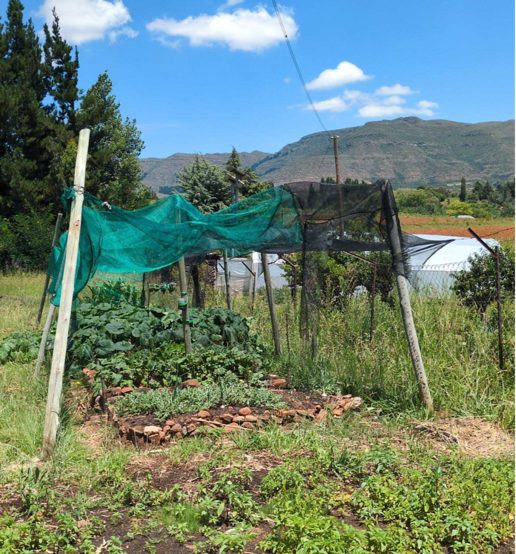
It filled me with great pride to see how well the garden has developed. When I took over the project, the plot was largely unused and neglected. I was especially pleased that the conservation agriculture methods I used produced very good results despite initial scepticism.
The approach is in clear contrast to the open plotting that is common here, where large areas are ploughed regularly. The visible results have shown that alternative growing methods can work under the conditions in the Malealea Valley too.
I received a lot of positive feedback on the development of the garden, especially from my project manager Khotso, whose recognition meant a great deal to me.
At the same time I had a disagreement with a member of the MDT staff. She suggested using a tractor to loosen the soil further. As I believed this would damage the soil structure and the raised beds we had already built, I argued against it. The situation showed me that people can have different ideas about farming and that it is important to make your case objectively.
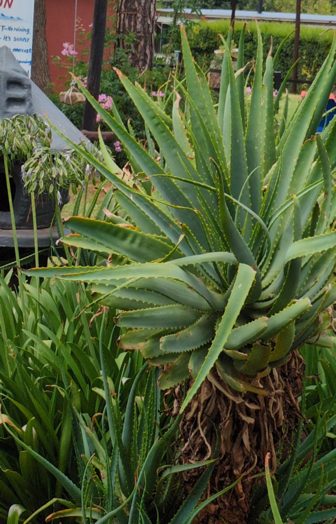
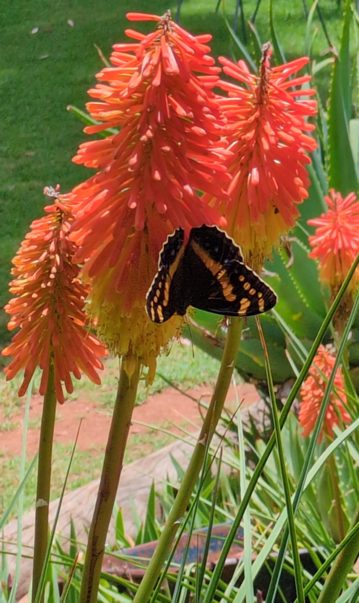
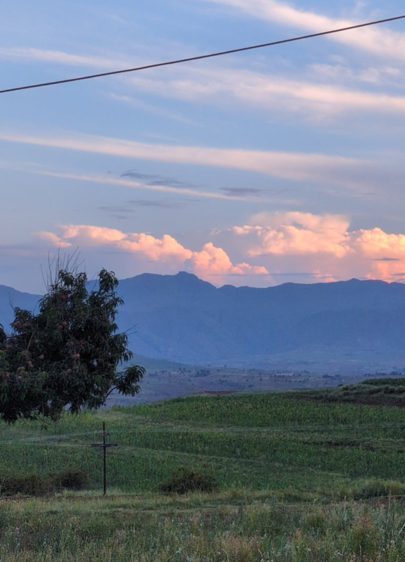
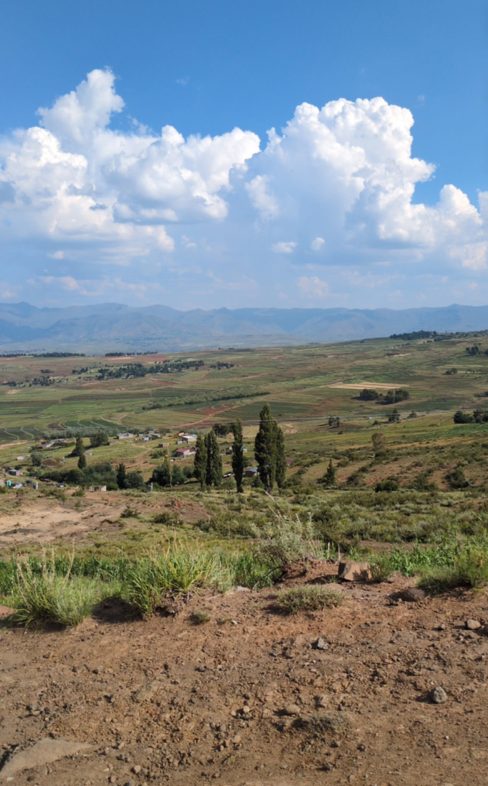
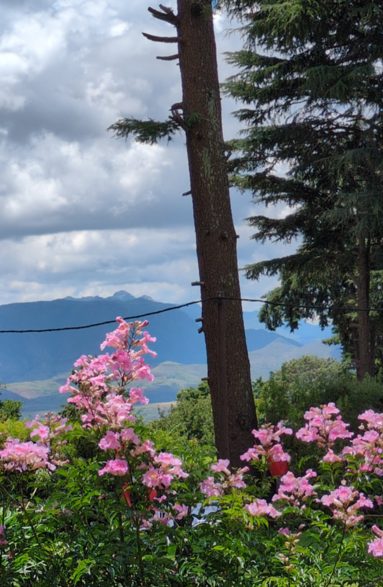
Thanks to the rainy season, the landscape was at its most beautiful. Everything was flowering and growing, and despite it being summer the temperatures were mostly pleasant.
Over time a friendship also developed with Jackie, the owner of the lodge.
In the second week Radik and I drove with Khotso to Bloemfontein in South Africa to buy the equipment for the planned bee project. The trip went smoothly, not least because Khotso seems to have many contacts at the border posts and in many government offices. It was impressive to see how many people know and respect him.
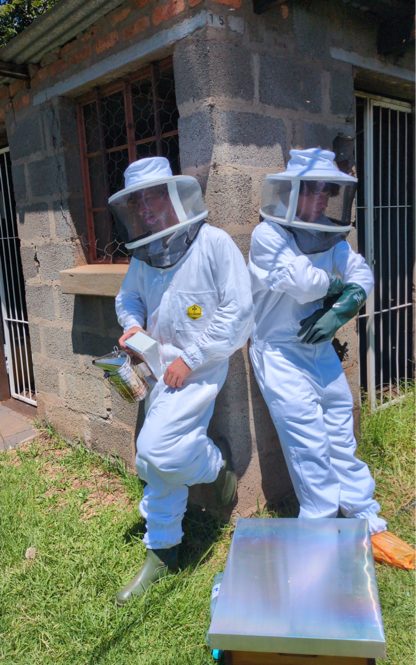
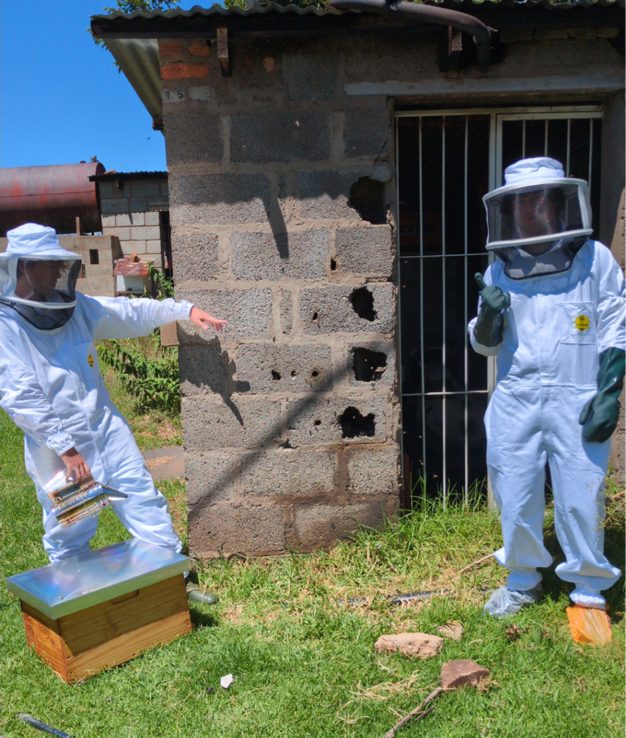
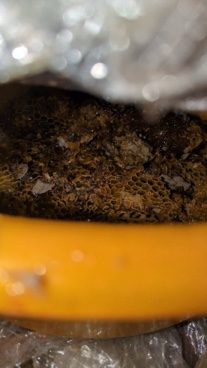
Shortly after our return the practical work began. Together with staff from the Ministry of Forestry and with Jackie’s permission, we removed a wild bees’ nest from the wall of a building. We harvested honey and moved the colony into a hive box.
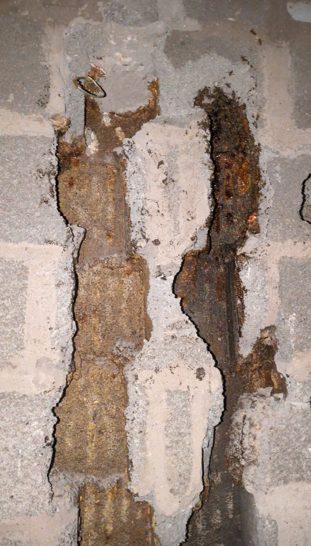
The work turned out to be much more demanding than expected. I was particularly surprised that some of the specialists involved had only limited practical experience with bees.
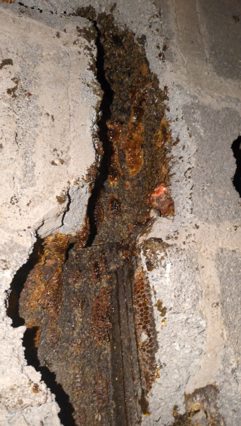
In the end I kept working late into the night to complete the relocation successfully. It was not until around midnight that the bees were safely in their new box.
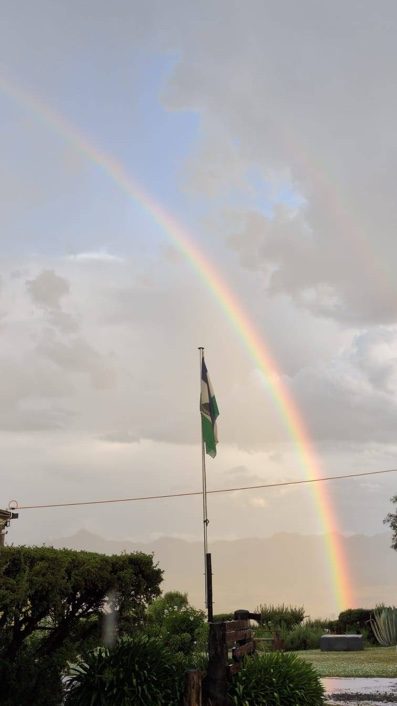
Meanwhile the weather got steadily worse. The rain became more and more intense and at times reached a level I had never experienced before. A storm with hailstones about the size of golf balls was particularly impressive.
This made the existing problems with our house considerably worse. Water kept coming in through the roof and walls, so that parts of the house were permanently damp. Although repairs had already been carried out, they had only a limited effect.
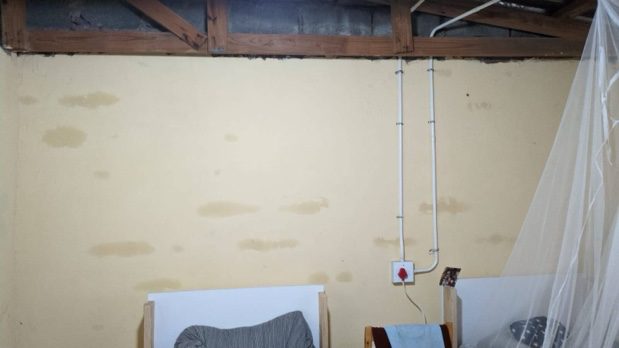
Over time it became harder to stay optimistic, as the situation hardly improved despite many conversations.
In the third week Khotso took us to the National University of Lesotho, where there was another wild bees’ nest in an old tractor tyre. Removing it turned out to be much more difficult than the previous relocation.
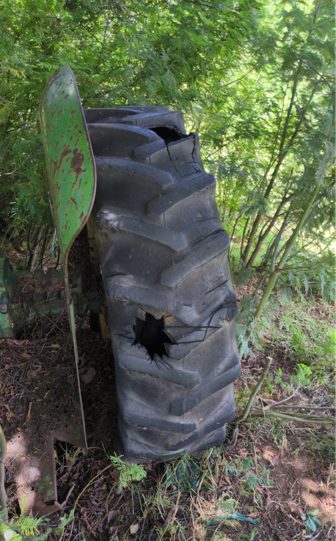
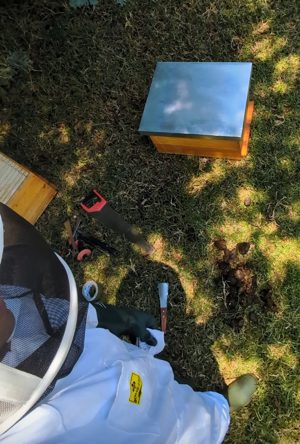
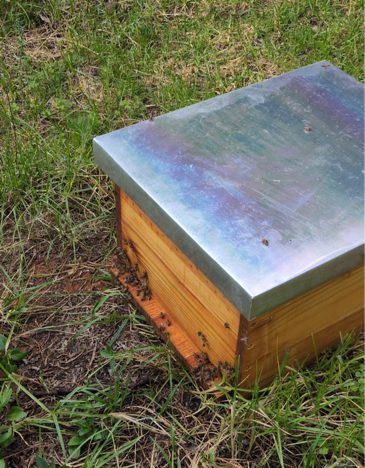
First we had to cut a big enough hole in the tyre to reach the nest at all. With a bit of luck, though, I managed to find the queen relatively quickly and put her into the prepared hive box. Soon afterwards most of the colony followed.
I initially placed the two bee colonies on the Africa’s Gift teaching farm. However, a new problem soon emerged there: the area was riddled with ant nests, which put the hives at risk.
I first tried to keep the ants away from the boxes with paraffin oil and later with methylated spirits. These measures only worked in the short term, though, so I started looking for a more suitable location for the colonies.
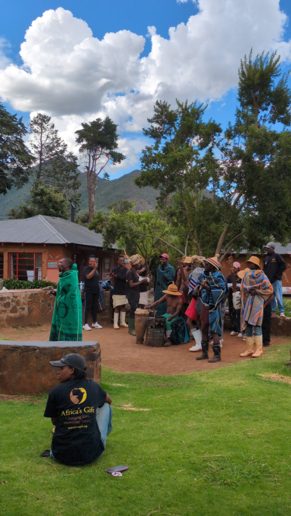
A special highlight of the month was the opportunity to meet Letsie III in person.
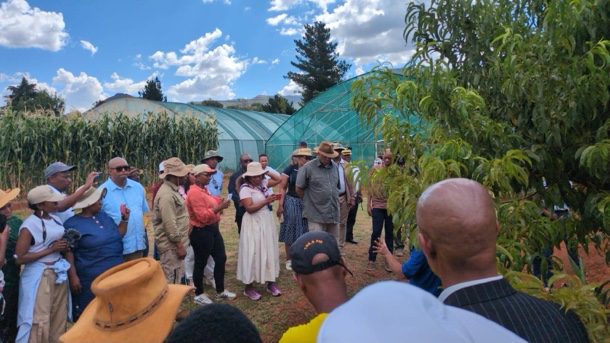
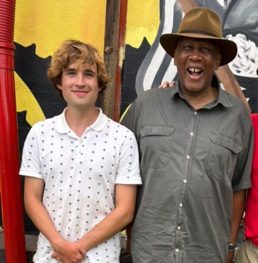
Lesotho is a constitutional monarchy, so the king’s role is mainly representative. I was all the more surprised at how unassuming he seemed in person. At the same time, the large number of security staff, riders and military escorts made his importance clear.
During the event I had the chance to have dinner with him and tell him about my bee project. He showed interest in our work and expressly thanked Radik and me for our voluntary service in Lesotho.
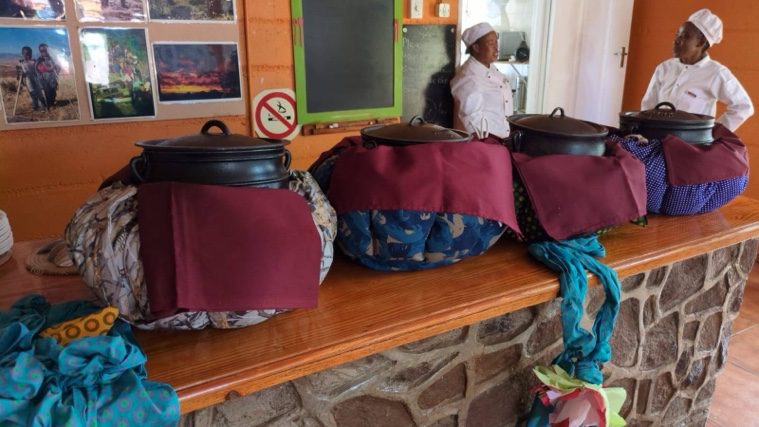
For me this was an extraordinary moment that I will certainly never forget. It is not every day that you get the chance to talk to a head of state about your own projects during a volunteer service.
January showed me how much can develop within just a few months. The garden is producing its first harvests, the bee project has started and I feel increasingly confident in my work.
I am particularly proud that projects which were originally just ideas are now producing concrete results. Despite the challenges, satisfaction outweighs everything else for me. I feel that I can take on real responsibility. Khotso’s recognition, the cooperation with the various partner organisations and the many positive encounters motivate me to continue the projects I have started.
Looking back, this month was a mix of hard work, new challenges and extraordinary experiences. The development of the garden, the first steps in beekeeping and meeting the king in particular will stay with me for a long time.