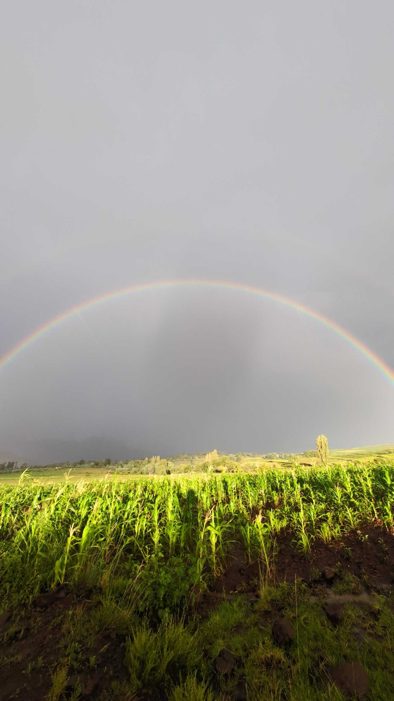
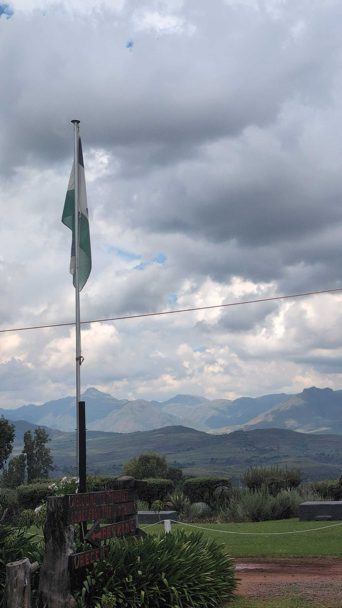
February was one of the busiest and most eventful months of my volunteer service. Besides the further development of the garden, the bee project took up a large part of my time. At the same time there were many opportunities to pass on knowledge to others and to gain new experiences together with MDT staff.
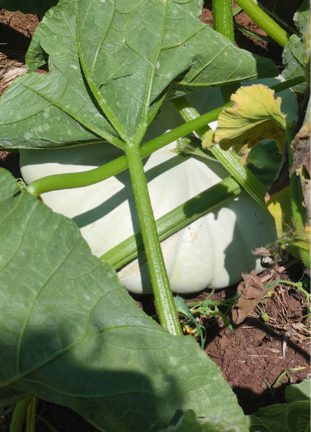
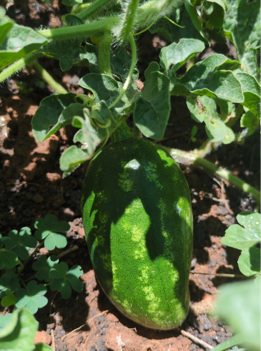
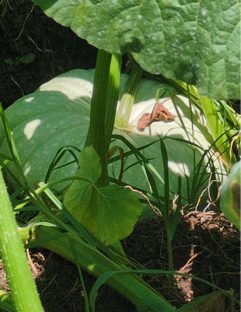
At the beginning of the month I brought in the first big harvests from the MDT teaching garden. The first pumpkins were particularly pleasing – some of them weighed about 15 kg. We also harvested bottle gourds, beetroot, onions and spinach.
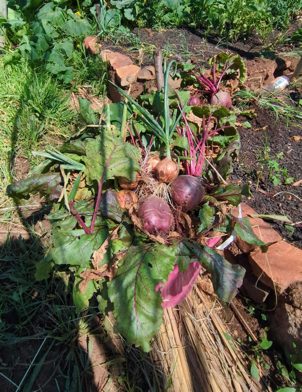
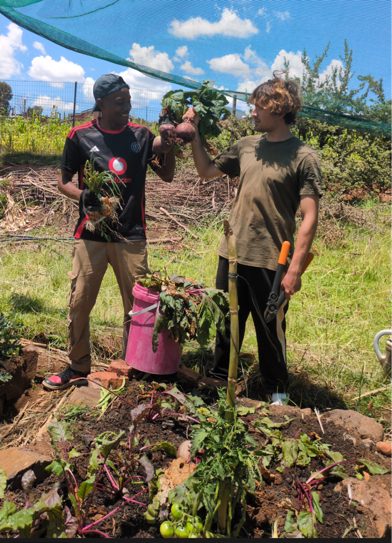
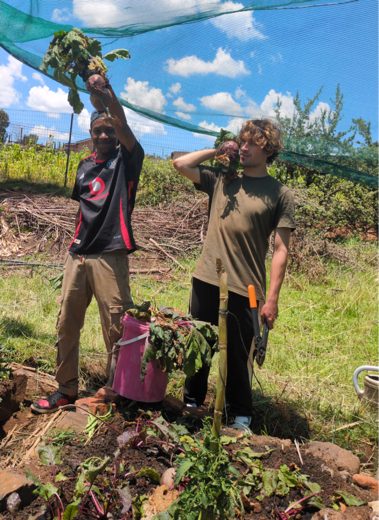
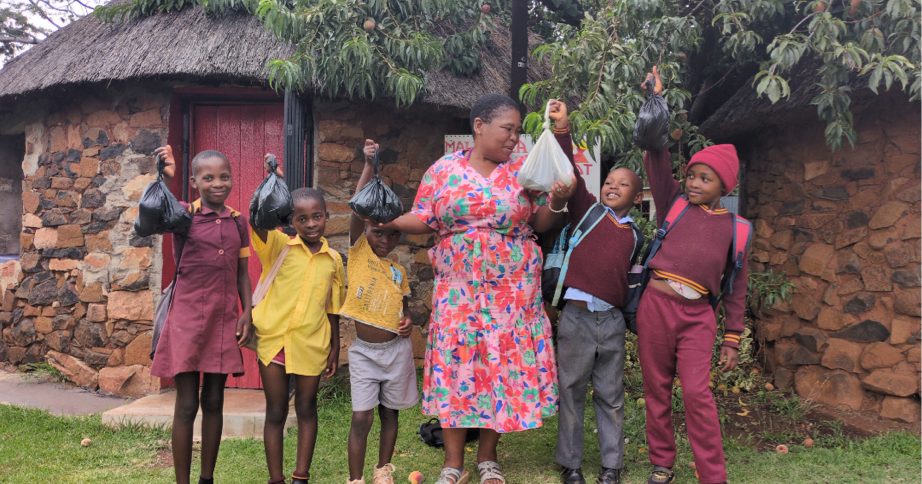
Shortly afterwards, together with a member of the MDT staff, I distributed part of the harvest to orphans from the community.
This moment meant a great deal to me, because it made one of the original aims of the garden visible.
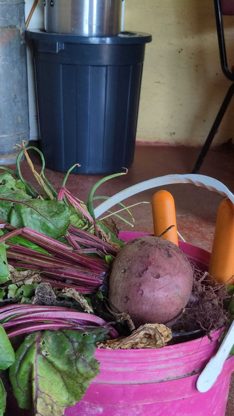
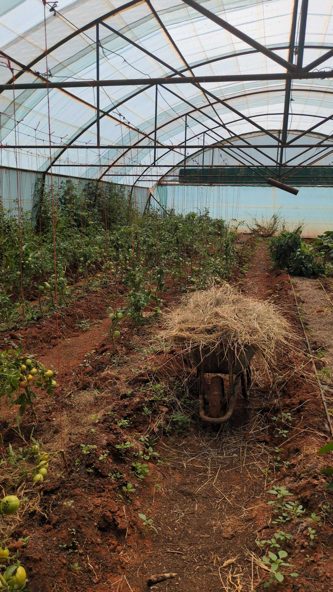
In the following days I also helped out on the Africa’s Gift teaching farm. There I helped mulch the polytunnels to improve the soil quality in the long term. Together with Baholo, the local gardener, I also prepared various vegetables such as bottle gourds, tomatoes, maize, peppers and spinach for sale to the lodge.
I also continued helping to process agave fibres for the eco cookbags. The plant remains were then composted so that as little material as possible was wasted.
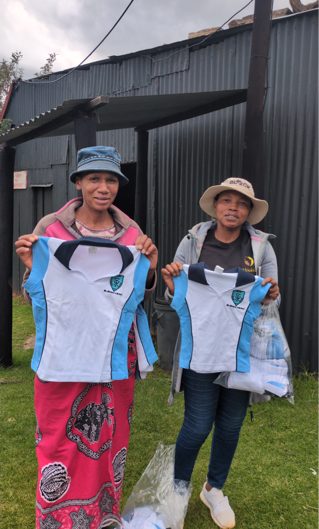
In the evening we also helped distribute donated clothing in the community :)
At the beginning of the second week, Kompi and I showed several orphans around the MDT teaching garden.
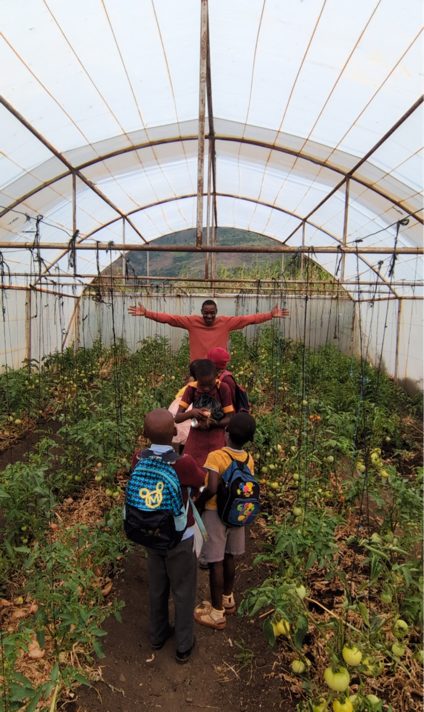
We explained the basics of permaculture, raised beds and sustainable vegetable growing. It was a real joy to see how interested the children were and what questions they asked.
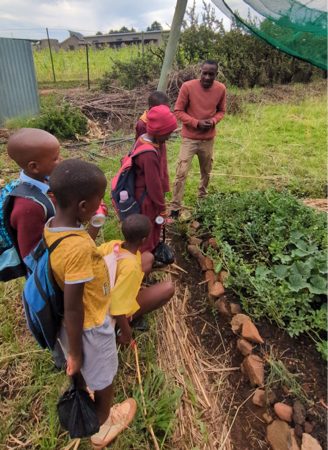
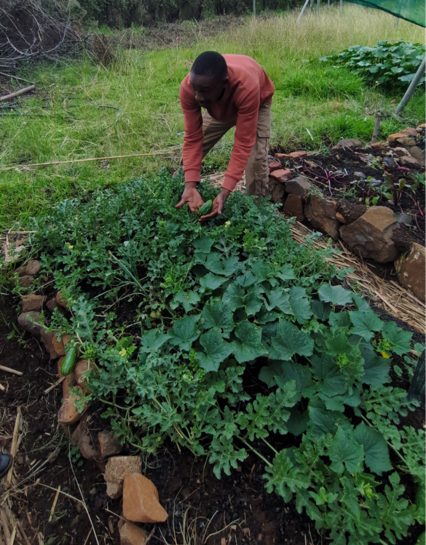
Huge respect to Kompi – I could only have told them a little myself, as the language barrier is still far too big.
The focus of the month, however, was clearly the bee project.
The second week of February was by far the best week of my entire volunteer service.
Monday started stormy, wet and rainy. Together with Radik and Kompi we heard about a wild bees’ nest in a small cave on a remote mountain top. Without thinking twice, we loaded our equipment into the car and set off.
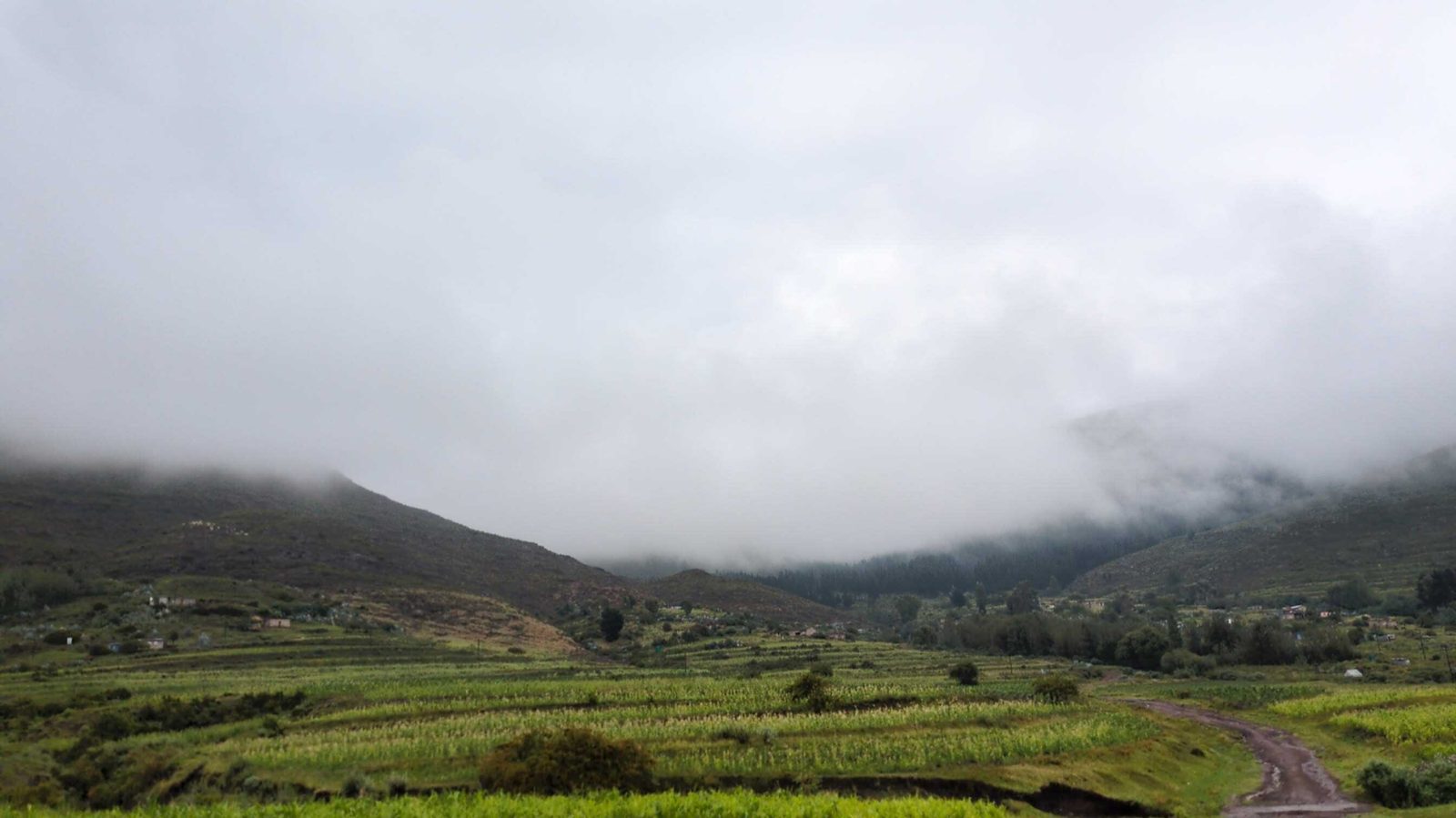
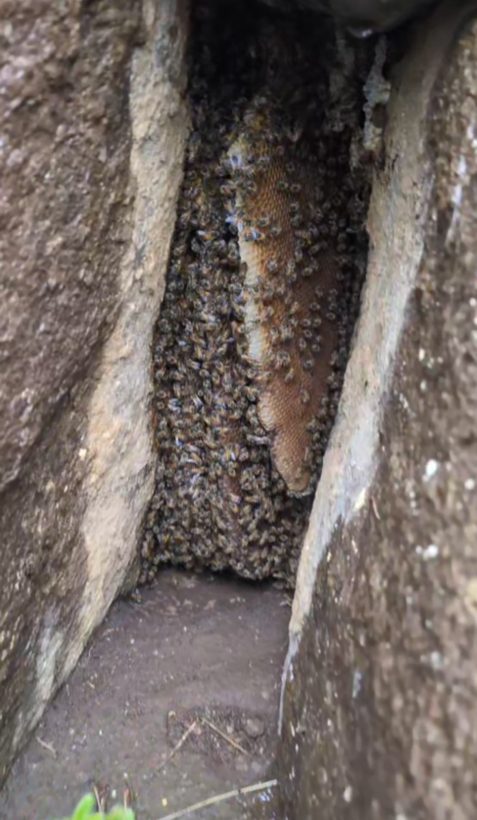
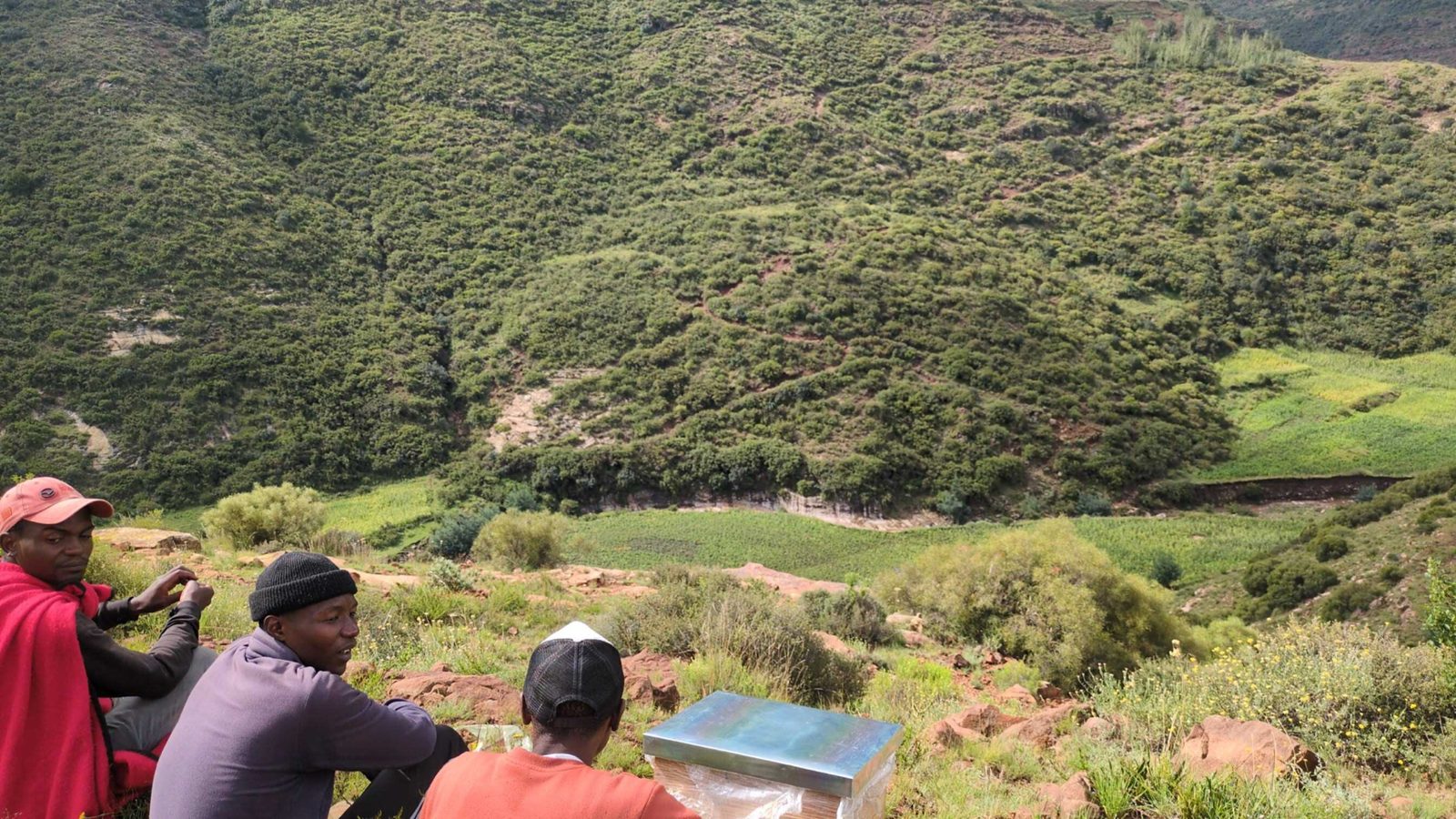
Together with Kompi I carried a hive box up the mountain to an altitude of about 2,600 metres. When we finally arrived, I could hardly believe my eyes.
In front of us was a huge wild bees’ nest in a small cave. The honey and brood combs were already visible from outside. It was one of the most impressive bees’ nests I have ever seen.
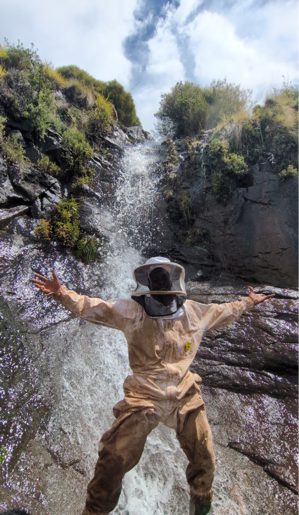
The location made the work difficult, though. The entrance to the cave was right on a steep slope. To reach the combs at all, I had to stand on tiptoe and reach far into the cave. The ground was soaked by the rain and slippery. One false step could have had serious consequences.
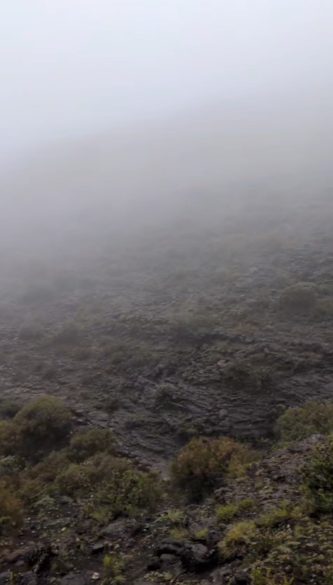
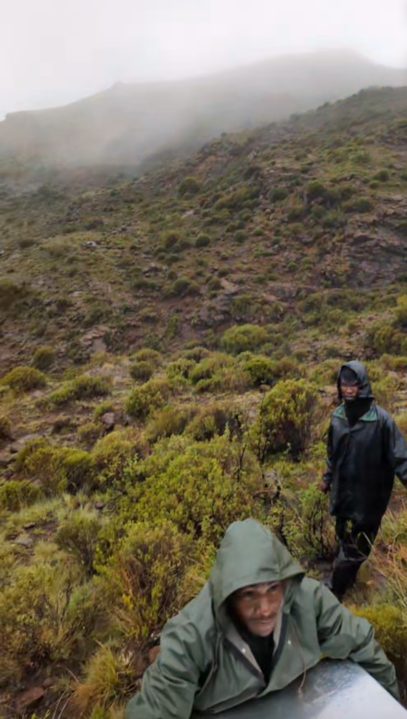
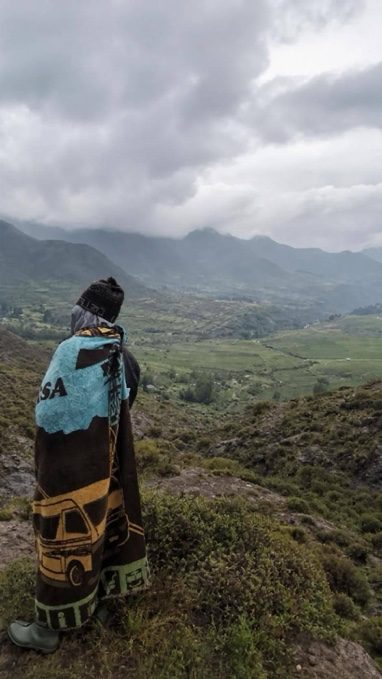
Even so, fascination won out at that moment. In front of me was a colony of an estimated 60,000 worker bees. I put on my protective suit, closed the veil, pulled on my gloves and lit the smoker. Then the work began.
I slowly approached the nest and removed the first comb. Honey dripped onto my hands and ran down my arm. Before I could even put the comb into the box, I felt several stinging pains in both legs. At first I thought I had stepped into thorns, but I soon realised that bees had got in through my shoes and were working their way up under my suit.
Within a few seconds I was stung many times. Shortly afterwards I noticed more bees inside my veil. The pain spread quickly and I felt a strong rush of adrenaline. At that moment I realised that the situation could become serious. Running away was not an option, as I was standing right on a steep slope.
So I stayed calm. I pulled my suit further down over my socks, checked the fastenings again and tried to concentrate on the work. As the adrenaline rose, the pain faded into the background at first.
I kept working. Comb after comb was taken from the nest and placed in the box. At the same time I used the smoker to calm the bees. Gradually the colony’s attention shifted to the brood and the honey stores, and the situation became easier to control.
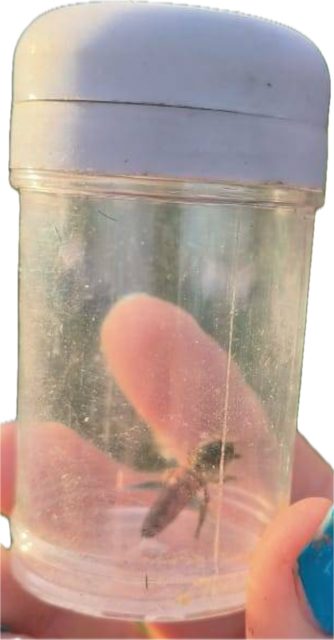
Finally I found the queen. This was the decisive moment.
I carefully put her into a queen clip and secured her in the box. Shortly afterwards the colony began to gather at its new home.
Only when the work was done and my adrenaline level slowly dropped did I feel the full effect of the many stings. Even so, I was incredibly happy. The relocation had worked.
I have rarely felt so focused, so challenged and at the same time so alive as on that day.
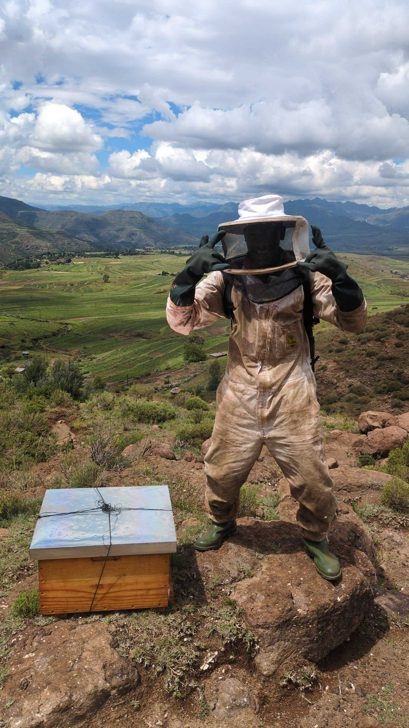
To be honest, after the successful relocation I was simply happy. The work was physically exhausting, I was stung many times and the conditions were anything but easy, yet I had an incredible amount of fun. The mix of adventure and nature was exactly the kind of challenge I had hoped for from my volunteer service.
Two days later Kompi and I went back. To our surprise the box had toppled over and slid several metres down the slope. The structure itself was intact, but many combs were damaged or already infested with ants. The colony had meanwhile gathered as a swarm on a nearby tree.
After some work we managed to catch the swarm again and put it into the box. We then carried the colony several kilometres back to the teaching farm. The physical strain of this operation was one of the most demanding tasks I have experienced during my volunteer service so far.
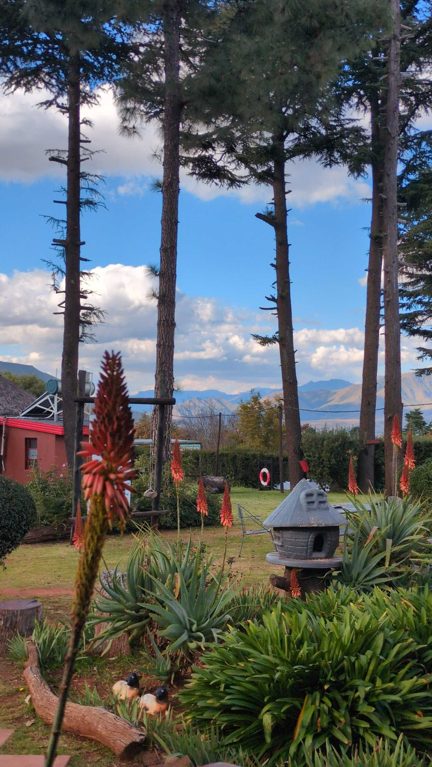
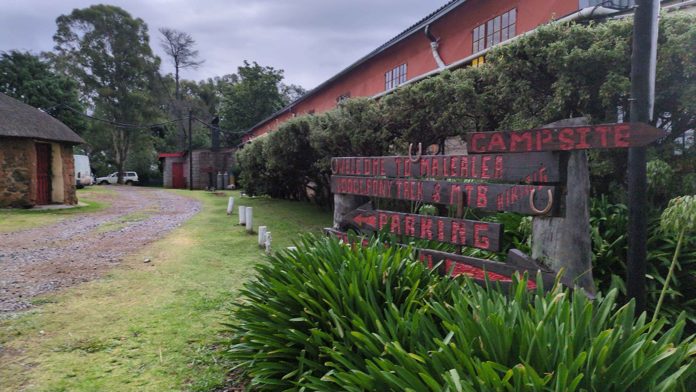
In the third week Radik and I also took part in a seminar held together with Peter at the lodge. It gave us the opportunity to talk about our experiences, challenges and projects during the volunteer service so far – above all about the sustainability of the work we had done.
Peter plays a special role for both of us during our stay in Lesotho. He knows the projects and the challenges of life here very well. We particularly value his open manner, his helpfulness and his genuine interest in how we are doing.
The seminar itself was much more relaxed than many other events we had attended. Besides the topics themselves there was plenty of room for conversation, questions and sharing personal experiences, which created a pleasant atmosphere.
In the last week I asked the MDT for financial support to buy more bee colonies for the project. Through a contact near Thaba Bosiu I had the chance to buy four large colonies at what I thought was a very fair price. As we wanted to populate the existing boxes before the end of summer, this was an important opportunity.
Planning turned out to be difficult, however. The date was postponed several times, and at first I was assured that the MDT would support the plan. But when the day finally came and the trip was about to begin, it turned out that the funding was not available as expected.
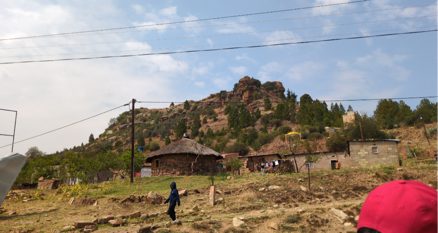
Fortunately Peter was able to step in at short notice and cover the costs for the time being. Without his help the trip would probably not have happened. Looking back, this situation showed me that projects often succeed or fail not only because of practical challenges, but also depending on communication, planning and reliable agreements.
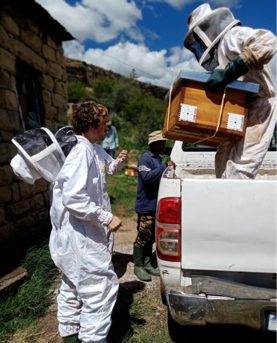
Together with Kompi and Radik I then visited a local beekeeper near Thaba Bosiu. There we were able to inspect several large colonies and finally take them over. Although some colonies were affected by varroa mites and hive beetles, this was not an insurmountable problem for me, as I had already gained some experience in dealing with these pests.
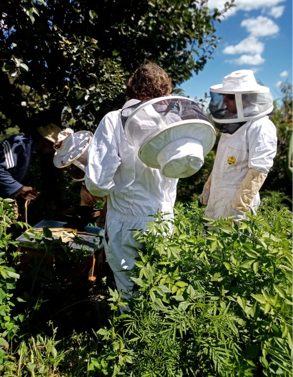
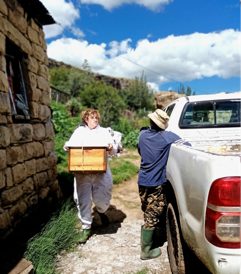
After extensive preparation we transported the colonies to the teaching farm and integrated them into the existing project. This allowed us to increase the number of colonies considerably and take an important step in the further development of the project.
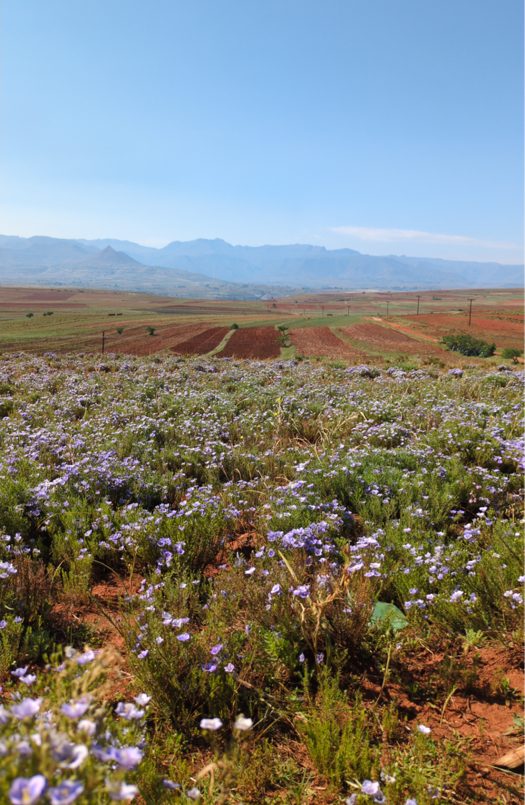
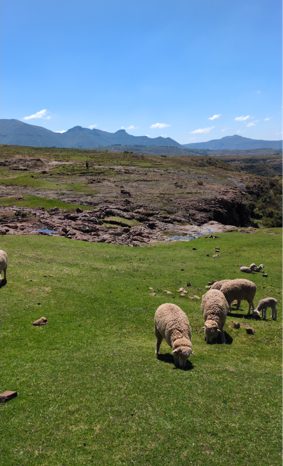
At the end of the month another tip led us to a cave near the teaching farm that was also said to contain a bees’ nest. After a long hike, however, it turned out that the nest could not be reached safely because of its location. Even though removing it was not possible in the end, the trip was still interesting and showed once again how beautiful the nature of the Malealea Valley is.
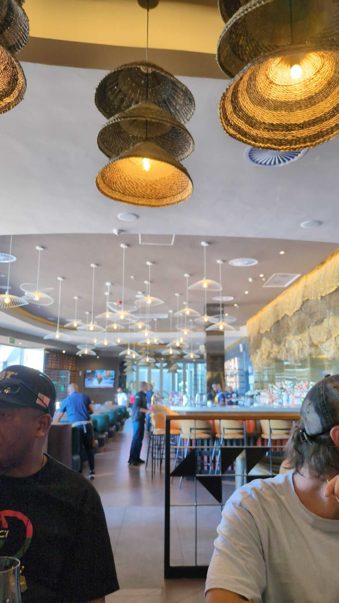
Besides work there were also some lovely moments in everyday life. I was particularly pleased when our landlady’s family invited us to go out for a meal with them.
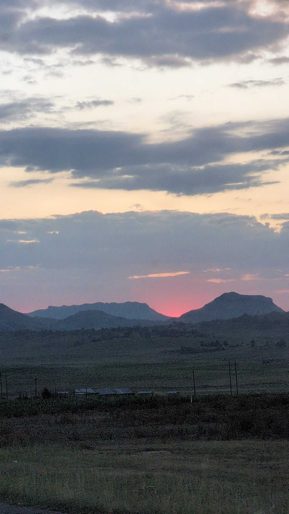
For me, February was a month full of challenges and extraordinary experiences. The bee project in particular developed much faster than expected and is becoming an ever larger part of my everyday life.
At the same time this month showed me that project work often involves setbacks. Toppled boxes, a lack of transport and organisational problems kept requiring new solutions from me. Nevertheless, I have learned to stay flexible and make decisions even in unfamiliar conditions.
I am particularly proud that the garden’s first harvests directly benefited the community and that the bee project now includes several active colonies.
Looking back, February was probably the most intense month of my volunteer service so far. It gave me many new experiences and showed me how much can be achieved through initiative.